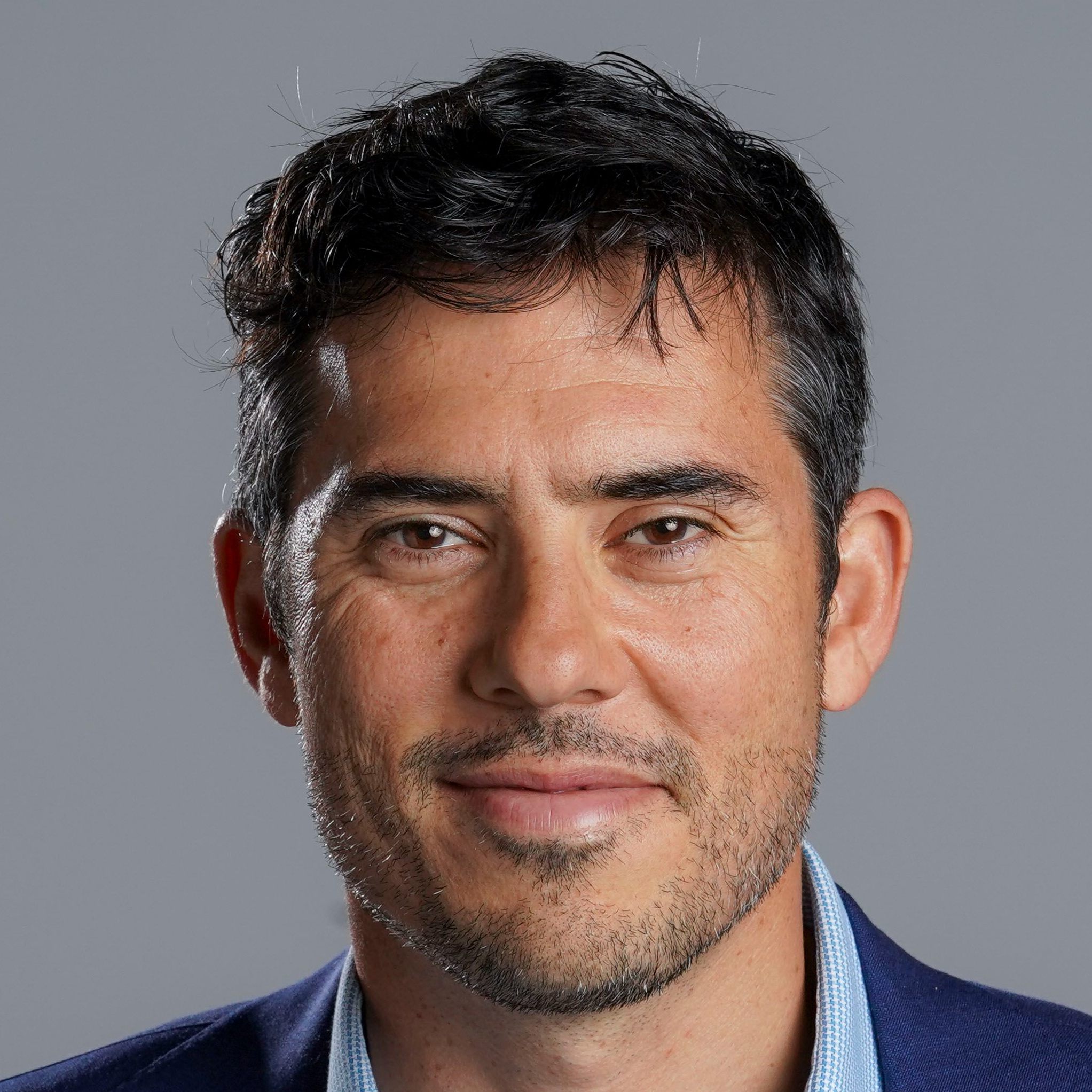
| What he wants, Greenfield says, is for people to question whether their idea of normal is nothing of the sort, perhaps disconnecting them from what makes them happy. “Basically, I have no other option but to go to an extreme,” he said over the summer, “because of the extreme times that we live in.” Greenfield and I spoke by phone just after he arrived in San Francisco. He was gleaning food around the city before leading a foraging workshop, one of many, on a trip away from home in Ashland, Wisconsin, a small town on the shores of Lake Superior. “The first thing that I did was harvest about 25 pounds of red plums in the park,” Greenfield said, describing the wild brassica, mustard, radish, loquats and strawberry tree fruit also filling out his suitcase pantry. Many people will dismiss Greenfield, arguing he’s demonstrating what billions of people can’t or shouldn’t do: forage for their food instead of relying on the mechanized agriculture and fossil-fuel energy that feeds billions of people. By the numbers, they’re right. “I could see why some people would say he’s crazy,” says Lauren Robinson, who attended Greenfield’s foraging school in Duluth, Minnesota, with her son on Aug. 22. “But I don’t see him that way.” While she can never imagine foraging all her own food, Robinson says Greenfield’s example brings her closer to her own ideals, and reaches people who would otherwise not “look at their own lives and reassess how they’re living.” “We, as humans, are so disconnected from so much, and a big part is food,” she says. “I walk into grocery stores and put stuff in a car … I sometimes don’t know what the plant looks like that it’s grown on.” Rather than explain Greenfield, I’ll let him explain his “extreme” living. Foraging all your food and medicine for a year is remarkably difficult. By his own measure, it was the most ordinary thing he has done. |