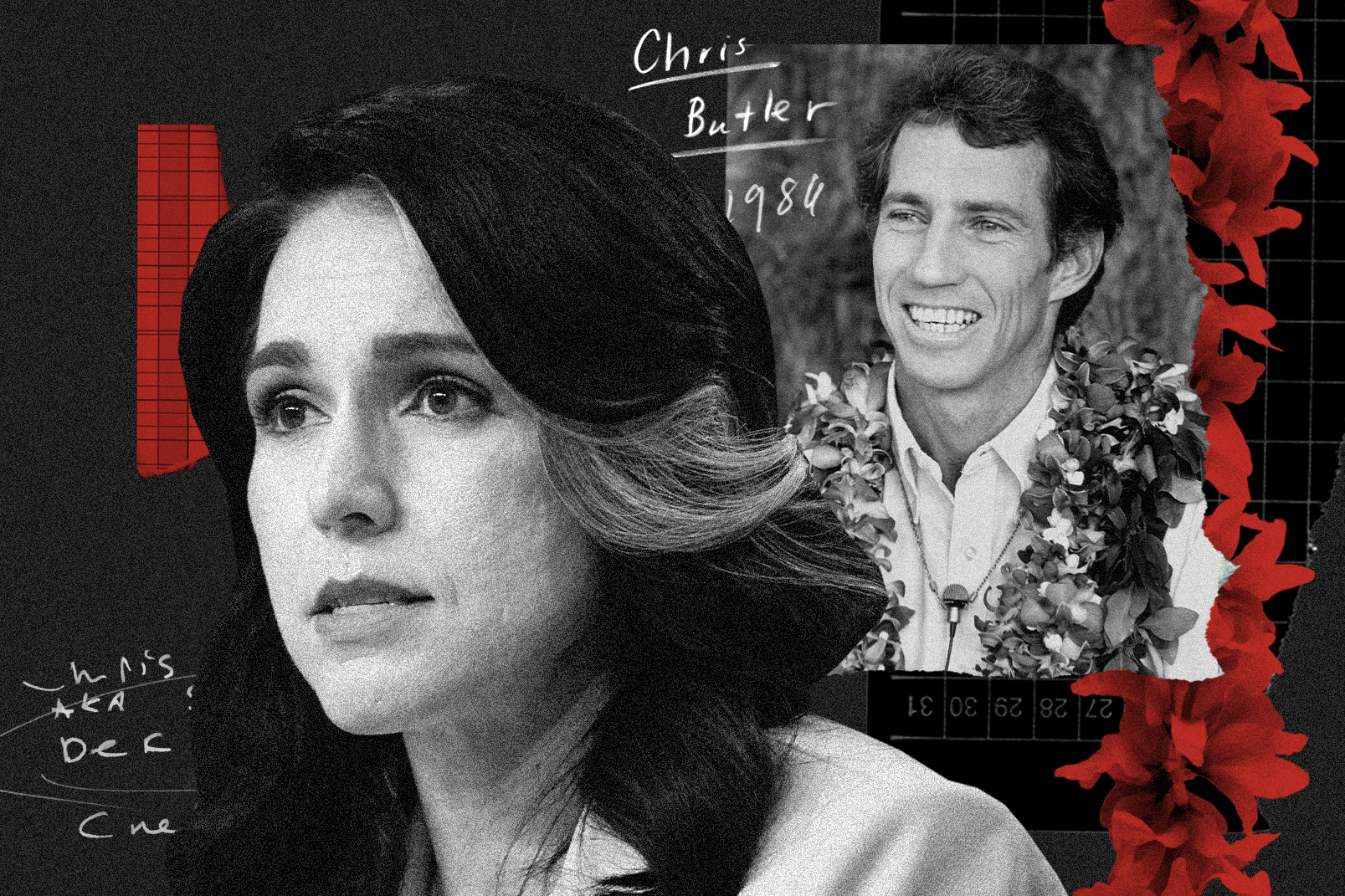
By Jon Swaine The first time I spoke with Rebecca Saltzburg, she told me Tulsi Gabbard was a freethinker who took orders from no one. “I didn’t always agree with Tulsi on everything,” Saltzburg, who worked on digital strategy for several of Gabbard’s congressional campaigns, said in November 2024. “But as for the core of her life and political path? I can vouch 100 percent, that is her own.” Saltzburg had heard I’d been asking people about Chris Butler, the eccentric religious leader Gabbard once described as her guru. Gabbard grew up in Butler’s breakaway Hare Krishna group. Her parents held senior positions in the organization. Saltzburg said that she herself had been a member since moving to Hawaii with a college friend in the 1990s. Butler’s followers practice a form of Hinduism that involves devotion to a single deity, in their case Krishna, and certain expectations around meditation, yoga and diet. Some former members, however, have called the group a cult and said disciples were isolated from the outside world, characterizations the group has denied. Former devotees had been telling me for weeks that Butler controlled his followers’ major life decisions and demanded total obedience and secrecy. They said he spent years working to extend his reach into politics — and they suspected Gabbard’s rise in Washington was the culmination of that effort. Now that Gabbard, a former Democratic congresswoman, had been picked by President-elect Donald Trump to be director of national intelligence, I wanted to understand: Just how much influence did Butler have on her? Not much, Saltzburg told me in that first conversation. She also played down the importance of Butler’s organization, the Science of Identity Foundation (SIF). “I don’t even really see it as a real group,” she said. Nine months later, Saltzburg got back in touch. This time, she had a different story to tell. |