| |
| |
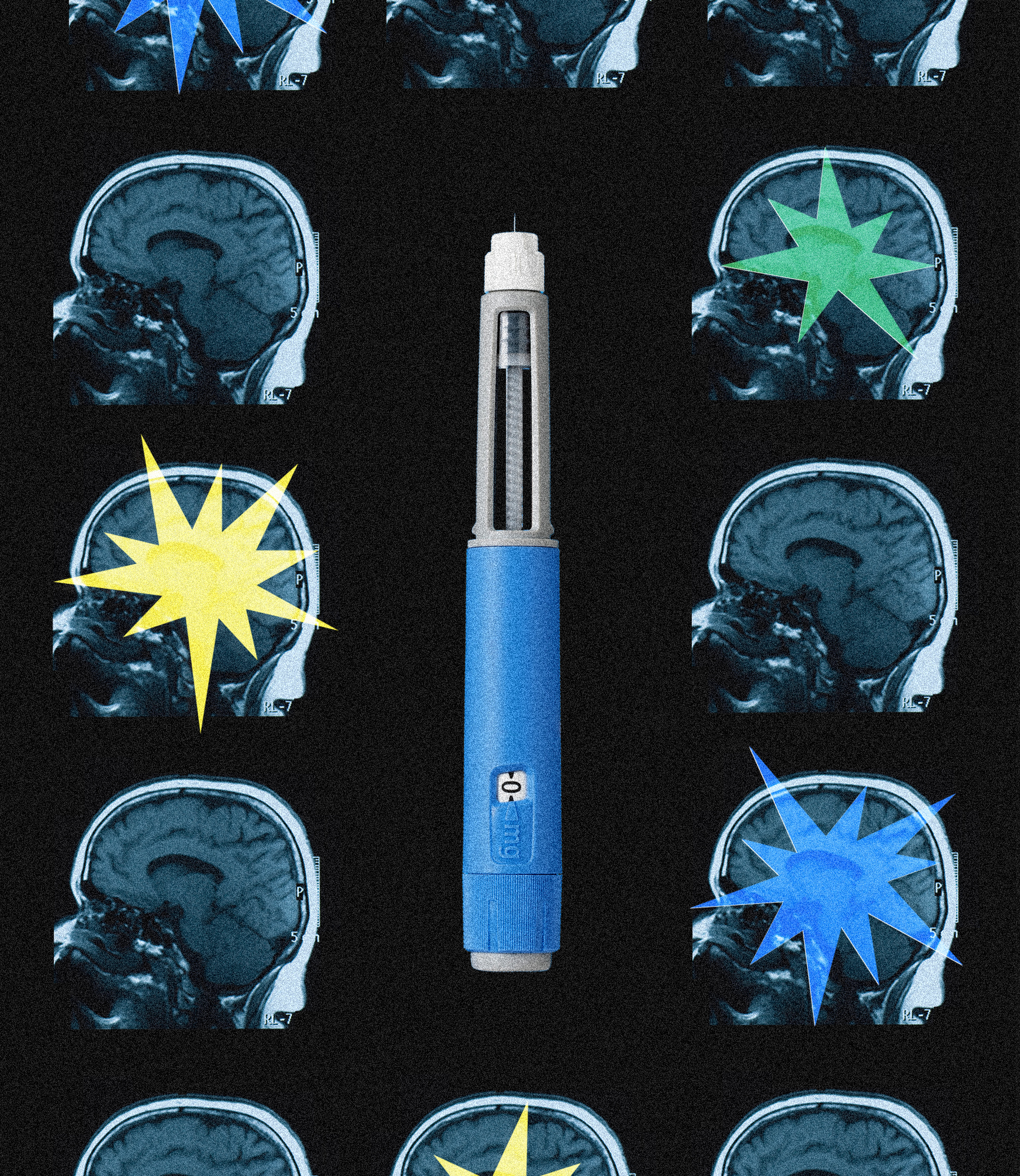
| (Washington Post illustration; iStock) | | Ozempic was supposed to be a gut story. Then Allison Shapiro looked at the brain scans. An assistant professor at the University of Colorado Anschutz, she was part of a team studying 13 teens and young women with a hormonal disorder affecting the ovaries who were put on GLP-1 drugs. As part of testing to catalogue the effect of the medication on their bodies, Shapiro took snapshots of their brains before and after. She was astonished to find extensive changes. Within only a few months, the brain connections in the salience network, which helps target attention, had multiplied. “We didn’t expect to see this effect, and we really don’t know what it means,” Shapiro said. | |